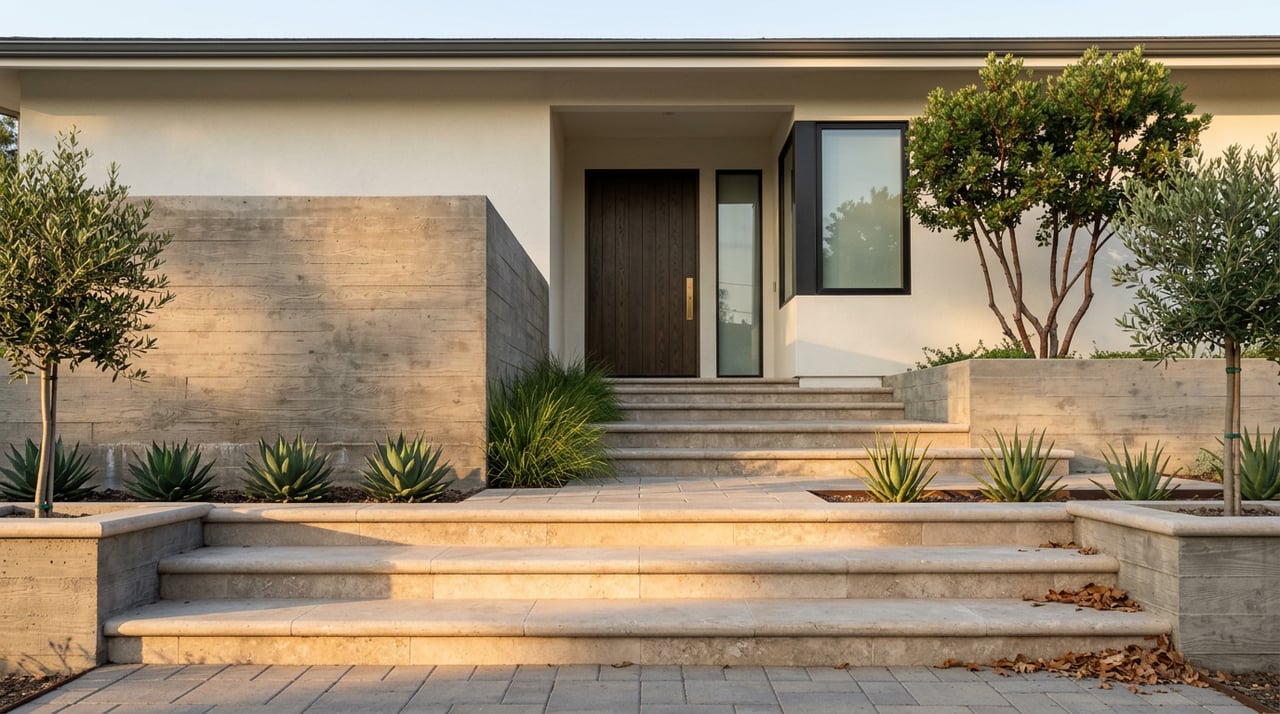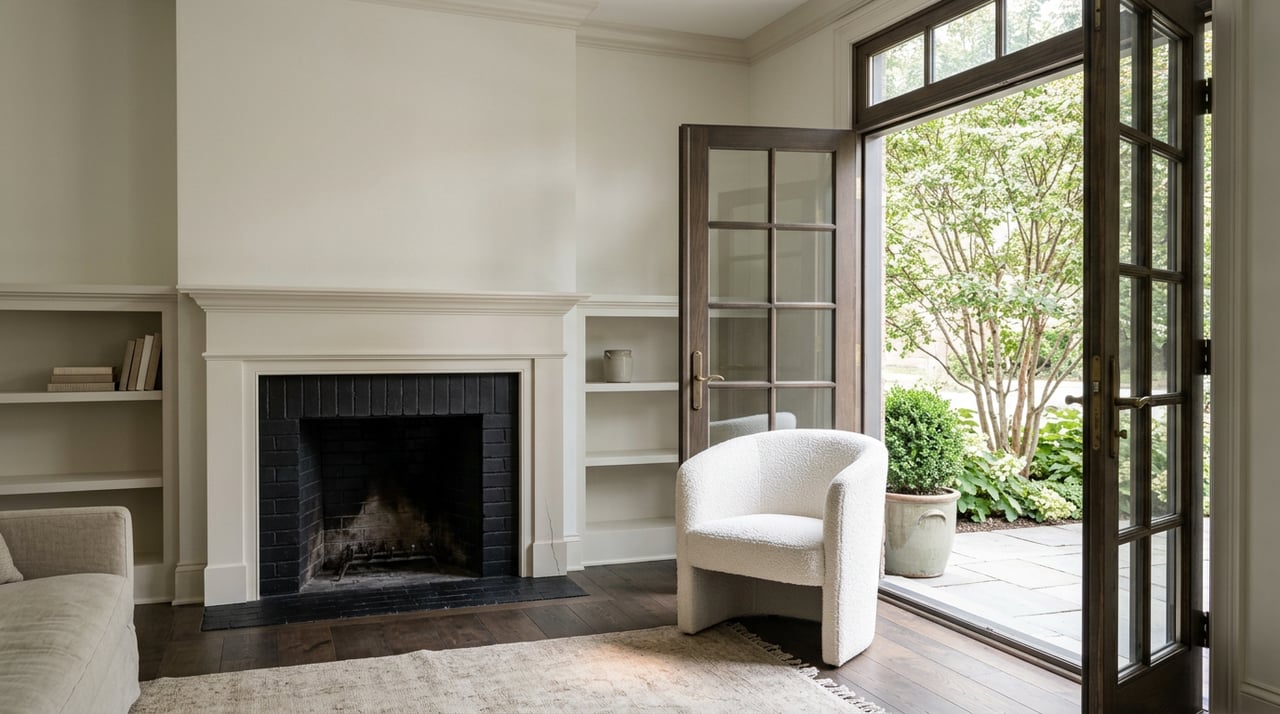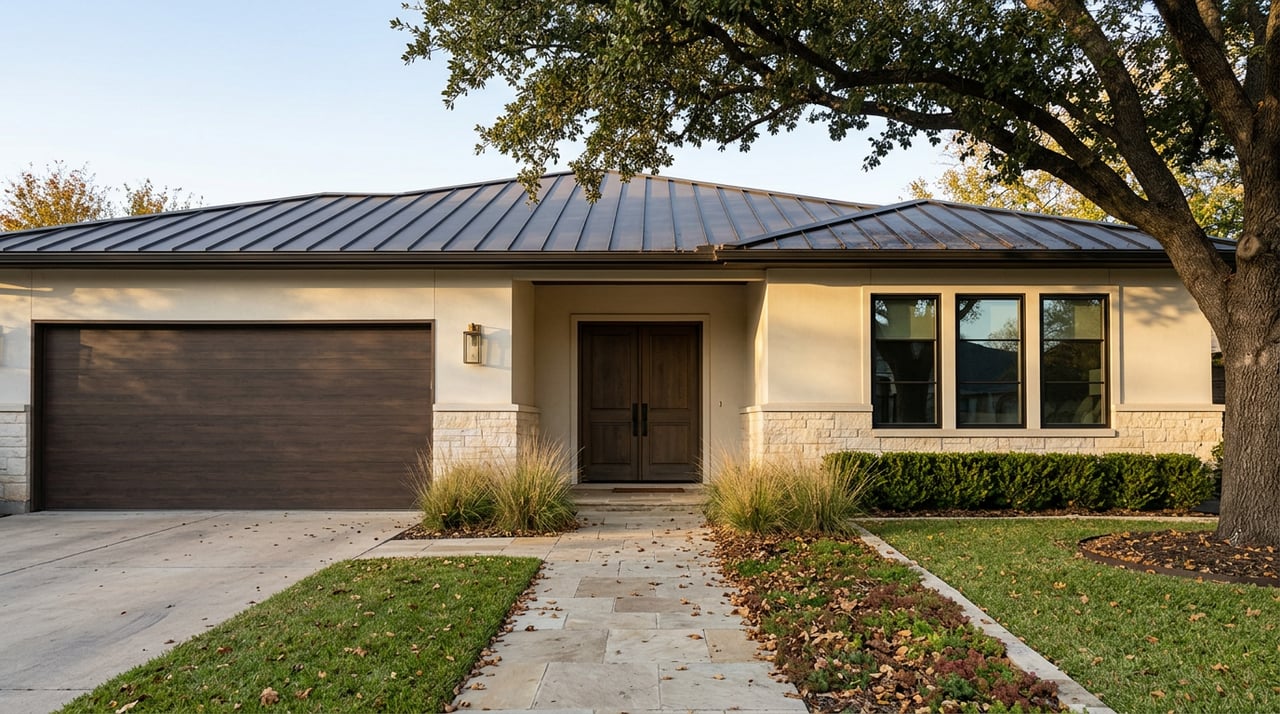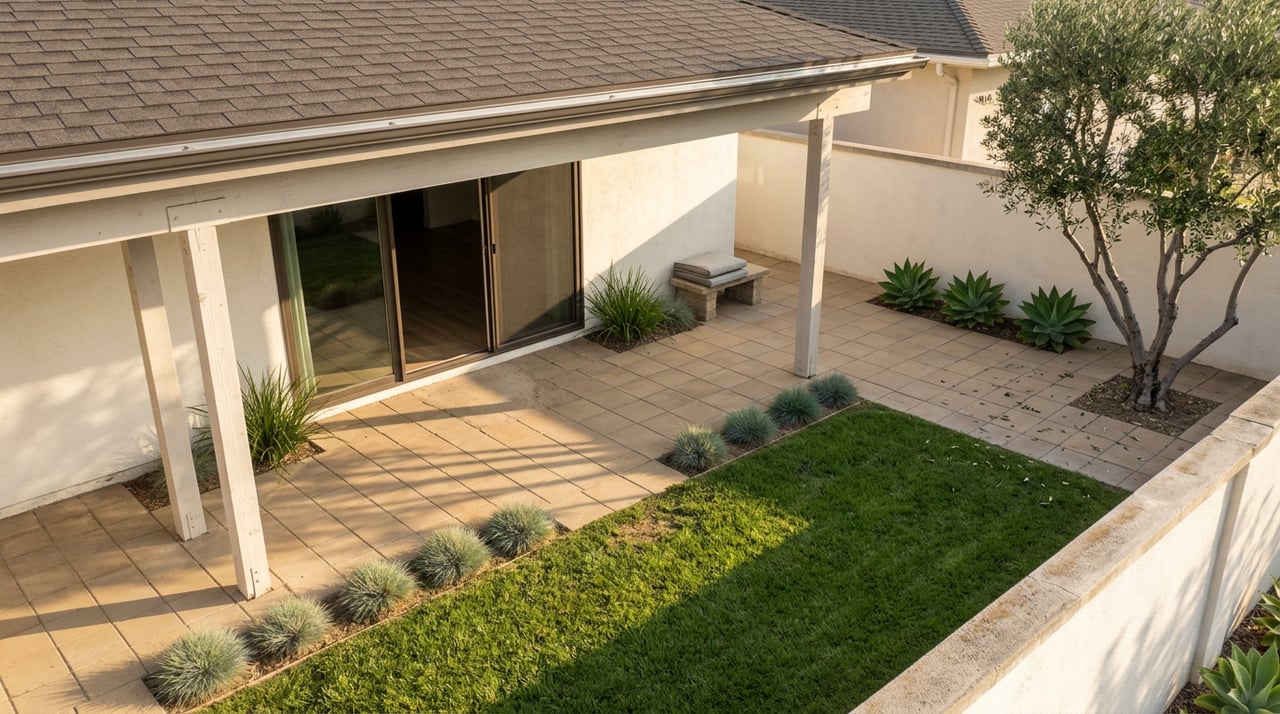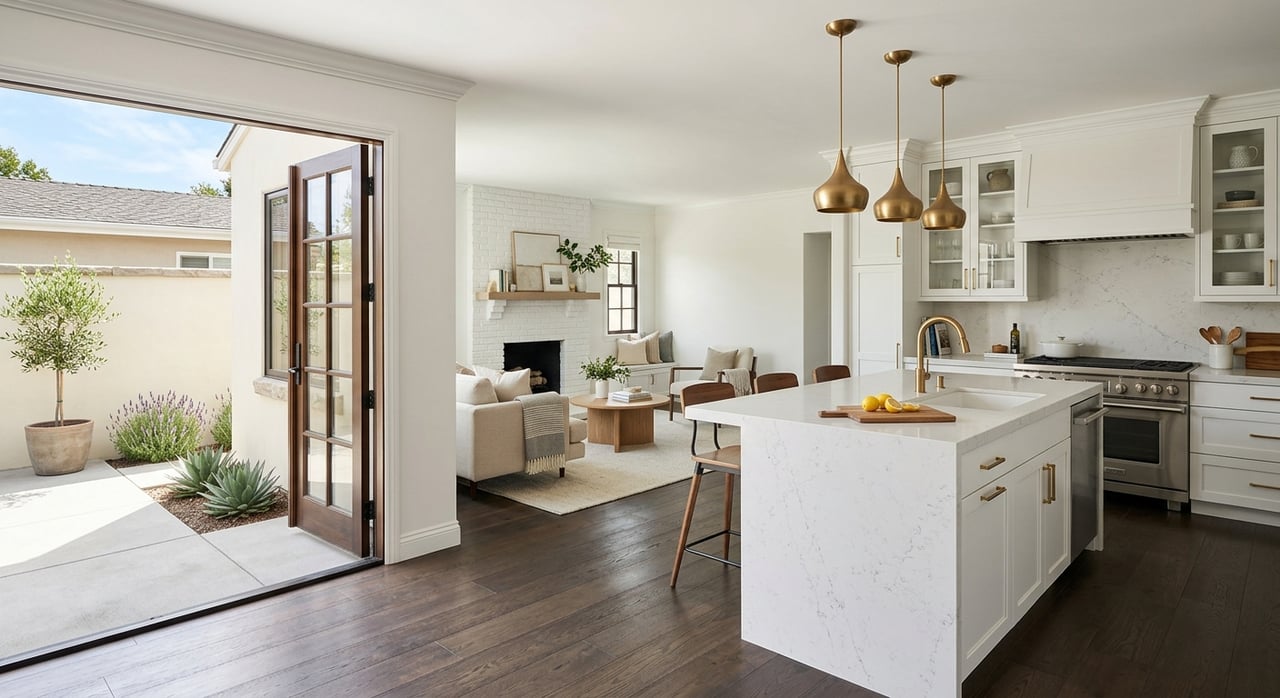
If your current Lakewood home no longer fits the way you live, you are not alone. Many homeowners here started in efficient mid-century houses that worked well at one stage of life but can feel tight once you need more bedrooms, more storage, another bath, or a more flexible layout. The good news is that you have options, and with the right plan, you can decide whether a move-up purchase or a smart renovation makes the most sense. Let’s dive in.
Why move-up buyers face a unique Lakewood decision
Lakewood is a compact city with a strong ownership base, which shapes how move-up decisions play out. The city’s July 1, 2025 Census estimate lists 78,010 residents, 26,230 households, a 71.4% owner-occupied rate, and a median owner-occupied home value of $827,200. That combination often means homeowners have built meaningful equity, but the next step still requires careful planning.
Lakewood also remains largely a detached-home market. City information notes that about 85% of housing units are single-family detached structures. For you as a move-up buyer, that means your search is often less about switching property types and more about finding a better version of what you already like about living here.
What a move-up home means in Lakewood
In Lakewood, a move-up home often starts with more usable space, not just a bigger number on paper. Much of the city’s original housing stock was designed to be efficient, including early Lakewood Park homes around 825 square feet for two bedrooms and 1,050 square feet for three bedrooms. If you are living in one of those classic layouts, the next home may simply need to solve day-to-day pain points more effectively.
That could mean:
- An extra bedroom for guests, work, or a growing household
- A second or third bathroom for easier mornings
- Better storage and closet space
- A larger kitchen or improved flow between living areas
- A lot with room to expand over time
In other words, the right move-up home in Lakewood is often the one that gives you better function now and more flexibility later.
Older housing stock changes the math
Lakewood’s housing stock is older than many buyers realize. City housing-element data show that more than two-thirds of the housing supply was built before 1960, and most homes were built in the 1950s. Homes of that age may still have charm and solid fundamentals, but they can also bring maintenance needs, dated layouts, and renovation questions.
That matters because your next step may not be as simple as buying the biggest house available. You may be comparing three realistic paths at once: updating your current home, expanding it, or selling and buying another home with a better layout. In Lakewood, that is a practical question, not just a lifestyle one.
Renovate or move in Lakewood
For many move-up buyers, this is the real fork in the road. Should you put your money into the home you already own, or use your equity to buy the next one?
When remodeling may make sense
A remodel can be worth considering if your location still works for you and your lot gives you room to improve the property. Lakewood says many residential projects require permits or review. Even nonstructural kitchen and bathroom upgrades begin with permitting, while additions and remodeling require planning review, and structural interior remodels for single-family homes need building plan check.
That does not mean remodeling is a bad idea. It means you should compare the time, approvals, cost, and disruption against the benefits of staying put. If your current home is in the right location and only needs a better layout, another bath, or a more functional kitchen, improving what you already own may be a reasonable path.
The 2025 Remodeling Impact Report found that added primary bedroom suites, kitchen upgrades, and new roofing each earned a Joy Score of 10 from REALTORS®. The same report found that 46% of REALTORS® said buyers are less willing to compromise on home condition. That suggests targeted improvements can improve both your daily life and future resale appeal.
When moving up may make more sense
A move-up purchase may be the better fit if your current home has reached its practical limit. If the lot is tight, the layout is hard to fix, or the cost and timeline of construction feel too heavy, buying another home can be the cleaner solution.
This is especially true in a city where many homes were built from a limited number of original floor plans. Sometimes a house simply does not adapt well to modern needs. When that happens, your equity may be more powerful as a bridge to the next purchase than as renovation capital.
Lot size and expansion potential matter
In Lakewood, lot size can matter almost as much as square footage. The city’s fair-housing analysis cites a 6,000-square-foot minimum lot size in low-density R-A and R-1 districts. The city’s ADU guidance also notes that lot splits can be difficult because many residential lots are small.
That is why two homes with similar interior size can offer very different long-term value. One may have room for a future addition, a garage conversion, or another flexible use. The other may already be maxed out.
If you are choosing your next Lakewood home with an eye on the future, look closely at:
- How much usable yard area remains
- Whether the garage layout supports conversion potential
- Whether the home’s footprint leaves room for an addition
- How the lot shape affects expansion options
- Whether the property already solves the space issue without major work
ADUs and garage conversions in the move-up conversation
Lakewood has meaningful room for on-lot adaptation. The city reports 22,708 single-family residences, and as of February 1, 2025, 320 ADUs had been built with another 349 in process. That means many owners are still early in the process of using their lots more intensively.
The city says detached ADUs may range from 150 to 1,200 square feet, garage conversions are possible, and a junior ADU may be allowed inside the main residence. For a move-up buyer, that opens up a different kind of thinking. Instead of asking only whether the next home is bigger, you can ask whether it gives you more ways to use space over time.
A property with room for an ADU or garage conversion may offer:
- Guest space
- A private work area
- Flexible household overflow space
- A more adaptable long-term layout
Of course, every property should be evaluated based on actual lot conditions, city standards, and project feasibility. Still, in Lakewood, expansion potential deserves a place in the buying conversation.
Using equity to reach your next home
For most move-up buyers, equity is the key piece of the plan. The FTC defines equity as the difference between what you owe on your mortgage and what your home is worth. Lakewood’s median owner-occupied home value of $827,200 provides a useful benchmark for local conversations, but your actual available equity depends on your current mortgage balance.
If you are considering renovation first, a home equity loan or HELOC may enter the picture. The CFPB explains that a HELOC is an open-end line of credit that lets you borrow repeatedly against available equity, usually with a draw period, repayment period, and variable interest rate. A home equity loan is different because it is typically a lump-sum loan.
The financing tool should fit the goal. If you are funding a kitchen, bath, or addition, borrowing against equity may help you improve the home you already own. If you are making a full move-up purchase, the timing of your sale, your proceeds, and the terms of the next purchase become just as important as the amount of equity you have.
The CFPB also cautions homeowners to consider a HELOC only if they are confident they can keep up with payments. That is especially important if you may be handling a sale, a purchase, and possibly interim housing or renovation costs at the same time.
A practical way to compare your options
If you are stuck between renovating and moving, use a simple side-by-side framework.
Ask these questions first
- Does your current home still work in the right location for your life?
- Is the problem size, layout, condition, or lot limitations?
- Would one or two focused upgrades solve most of the issue?
- How much construction time and disruption are you willing to take on?
- Does your equity support a comfortable move-up purchase?
Signs your current home may still work
- You like the location and lot
- The floor plan can improve with targeted changes
- You may be able to add a bedroom, bath, or ADU
- The cost of improvement feels reasonable compared with moving
Signs it may be time to move up
- The lot limits meaningful expansion
- The layout is hard to fix without major structural work
- You need a faster solution
- You want a more updated home condition from day one
- Your household needs have clearly outgrown the property
How to shop smarter for your next Lakewood home
When you tour homes, focus on function before finishes. Paint color and staging can change quickly, but lot utility, layout flow, and expansion potential are harder to create later.
Pay attention to whether the home solves the real reason you are moving. If your current home feels cramped because of storage, a larger living room alone may not fix the problem. If your challenge is bathroom count, prioritize that over cosmetic upgrades.
It also helps to think one step ahead. In Lakewood, where many homes come from similar mid-century roots, the best move-up purchase is often the one that serves you now and still gives you options later.
Choosing with confidence
A successful move-up decision in Lakewood is rarely just about buying a bigger house. It is about understanding the age of the housing stock, the limits or possibilities of your current lot, the role of permits and planning review, and how your existing equity can support the next step.
With a thoughtful strategy, you can avoid over-improving the wrong property or rushing into a home that does not truly solve your needs. The goal is to choose a home that improves how you live today while protecting flexibility for tomorrow.
If you are weighing whether to renovate, expand, or make a strategic move into a better-fitting Lakewood home, Charlotte Kornik offers discreet, high-touch guidance tailored to your goals.
FAQs
What does a move-up home usually mean in Lakewood?
- In Lakewood, a move-up home often means more functional space, such as extra bedrooms, more bathrooms, better storage, a more flexible layout, or a lot with room to expand.
Is remodeling a Lakewood home easier than moving?
- Not always. Lakewood says many home improvement projects require permits, planning review, or building plan check, so you should compare cost, timing, approvals, and disruption against the benefits of buying another home.
Why does lot size matter when buying a Lakewood move-up home?
- Lot size matters because it can affect future additions, garage conversions, ADU options, and overall flexibility, which may be just as valuable as interior square footage.
Can a Lakewood property support an ADU or garage conversion?
- Some properties can. Lakewood allows detached ADUs from 150 to 1,200 square feet, allows garage conversions in some cases, and may allow a junior ADU inside the main residence, depending on the property and city standards.
How can equity help with a Lakewood move-up plan?
- Equity can help fund renovations or support your next purchase, but the right approach depends on how much you owe now, what your home is worth, and whether you are improving your current home or preparing to sell and buy another one.
What should Lakewood buyers look for first in a move-up home?
- Start with the features that solve your current pain points, such as bathroom count, bedroom count, storage, layout, and lot potential, before focusing on cosmetic details.