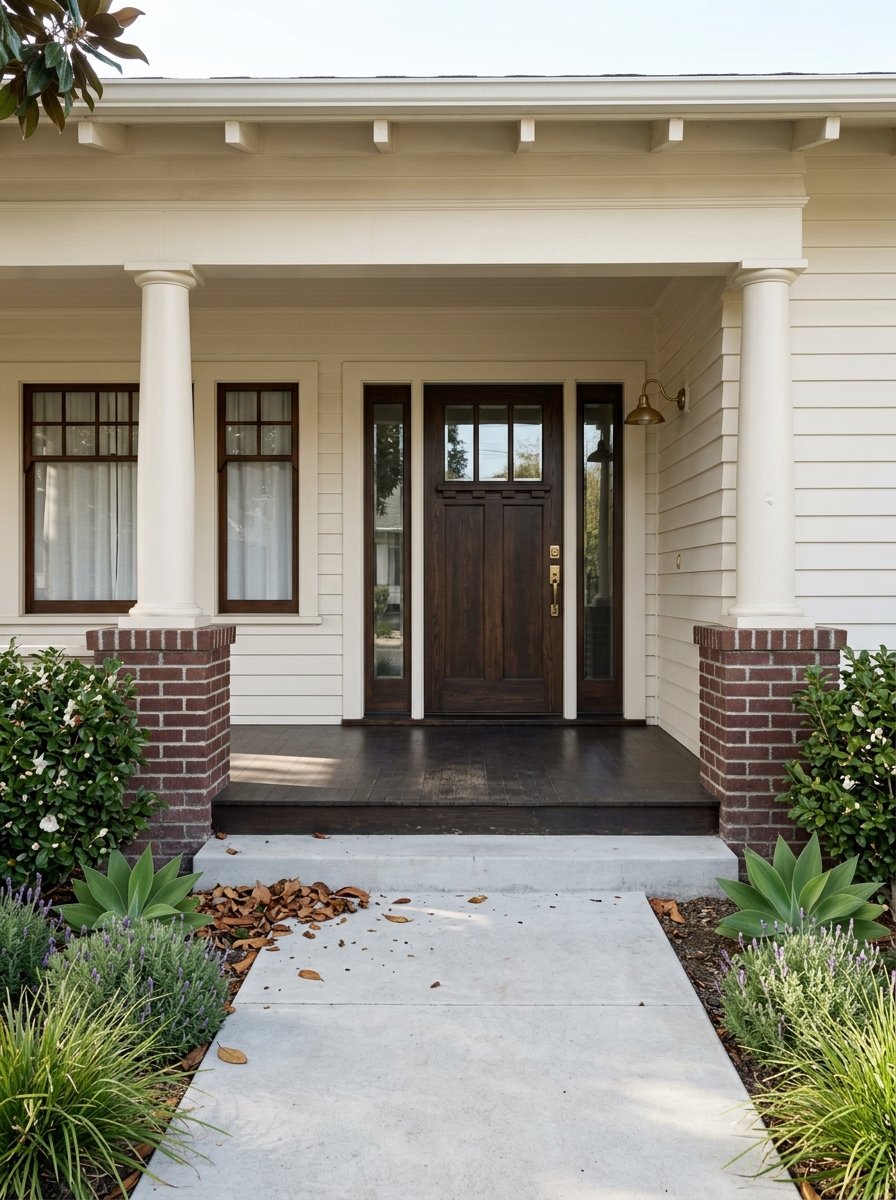
What makes a historic Whittier home stand out today? Often, it is the very character some sellers worry about most. If you own an older home here, you may be wondering how to honor its past, appeal to current buyers, and avoid costly missteps before listing. The good news is that the right strategy can do all three. Let’s dive in.
Why historic character matters in Whittier
Whittier is not a market where historic details are treated as a side note. The city has an active preservation framework through its Historic Resources Element and Historic Resources Ordinance, and it recognizes four locally designated historic districts: Hadley-Greenleaf, Central Park, College Hills, and Earlham. That means buyers, sellers, and owners all operate in a place where architectural identity has real weight.
That local context matters when you prepare a home for sale. Whittier specifically identifies styles commonly found in homes built through 1950, including Victorian, Craftsman, Mission Revival, Spanish Colonial Revival, Tudor Revival, Colonial Revival, and Minimal Traditional. In practical terms, your home’s original features may be part of what makes it memorable in the market.
Buyer behavior supports that idea. Zillow’s 2026 Buzz Index found strong engagement for features like exposed beams, exposed brick, and arched doorways, while Victorian and Tudor homes drew above-average interest. For a Whittier seller, that is a strong signal to highlight character instead of hiding it.
Start with due diligence first
Before you paint, stage, or schedule photos, confirm exactly what you own. The Whittier Library’s home-history guide recommends verifying the year built, annexation history, former addresses, and earlier occupants using sources like the county assessor, city directories, Sanborn maps, historic photos, tax ledgers, and building permit records. That background can shape both your pricing story and your marketing story.
This step is especially important if you are considering updates. Whittier advises owners to contact Community Development early because permits are often required for interior and exterior construction or renovation. The city also cautions owners not to rely on non-city professionals alone to interpret code requirements.
Before any exterior work, confirm whether your property falls under the citywide ordinance, a district ordinance, or both. The citywide historic resources ordinance applies to historic resources and vintage buildings or structures that are at least 50 years old. The local history guide also notes that a Certificate of Appropriateness may be required before alterations or rehabilitation begin.
The key takeaway is simple: document first, renovate second. A thoughtful seller does not assume every update adds value. In a historic home, the best next step is usually to verify what is permitted, what is protected, and which improvements are actually worth the investment.
Explain Mills Act status clearly
If your home already has, or may qualify for, a Mills Act contract, that deserves a clear explanation in your listing strategy. Whittier says Mills Act contracts begin as 10-year agreements with automatic yearly extensions. The California Office of Historic Preservation also states that the contract stays with the property when it is sold.
That can matter to buyers weighing long-term ownership costs and responsibilities. Whittier says its program has been in place since 2001, and the city notes that tax savings can be substantial, citing as much as 40% to 60% of the pre-contract tax rate, although actual savings vary by property. A buyer does not need a long lecture here, but they do need accurate, plain-language context.
Stage around the architecture
Historic homes usually show best when staging supports the architecture instead of competing with it. That means you want clean sightlines, thoughtful lighting, and furnishings that let original details breathe. Heavy, overly trendy decor can distract buyers from the features that make the home special.
NAR’s 2025 staging research found that 83% of buyers’ agents said staging makes it easier for buyers to visualize a home as their future residence. The same research also found that staging can help boost value or shorten time on market. In other words, presentation still matters, especially online.
Highlight key style details
If you are selling a Craftsman home, focus attention on the elements Whittier identifies as defining features. Those include low-pitched roofs, wide eaves, exposed rafter tails and beams, covered porches, stone or brick piers, and wood windows and doors. These details tend to photograph best when porches are unobstructed and interior styling feels warm and restrained.
If your home is Victorian, details like asymmetrical massing, spindle work, wrapped porches, bay windows, towers, and leaded or colored glass deserve visual emphasis. If your home is Mission Revival or Spanish Colonial Revival, look closely at stucco or plaster walls, tile roofs, arches, balconies, wrought iron, decorative tile, and arcaded corridors. These are not background details. They are part of the home’s market identity.
Prioritize the rooms that shape first impressions
You do not need to stage every room with the same intensity. NAR’s research found that the living room, primary bedroom, dining room, and kitchen are the rooms most often staged. For most sellers, those spaces offer the clearest return because they do the most work in listing photos and early tours.
A measured approach usually works best in historic homes. You want buyers to notice the room and the architecture at the same time. If furniture is too bulky or accessories are too busy, beautiful trim, windows, fireplaces, arches, and built-ins can disappear.
Build the listing around what buyers actually use
Today, your first showing is usually online. Zillow’s 2025 buyer research found that 67% of shoppers had already viewed homes on a real estate website, while 39% had attended an open house or private tour. That means your digital presentation needs to do more than look attractive. It needs to answer questions, create emotion, and motivate the next step.
The same research found that buyers rank floor plans first, high-resolution photos second, 3D or virtual tours third, and video last among the tested listing features. For a historic Whittier home, that suggests a smart launch should lead with measured plans, excellent photography, and a 3D tour, with video used as a storytelling layer rather than the main event.
This is especially relevant for older homes with distinctive layouts. A floor plan helps buyers understand flow before they ever step inside. Strong still photography helps them connect with the home’s details, and a 3D tour helps them place those details in context.
Let original features lead the photo set
Because current buyer interest is strong for exposed beams, brick, arches, and vintage architecture, your photography should lean into those details. Rather than trying to make the home look generic or overly new, the goal is to show how character and livability work together. Buyers often respond to homes that feel authentic.
A good photo sequence should also tell a story. Start with the strongest curb appeal and architectural moments, then move through the rooms that define daily living. If the home has a porch, leaded glass, original millwork, built-ins, or distinctive ceiling lines, those features should be framed intentionally rather than left to chance.
Use a polished launch strategy
Many buyers take their time before making a move. Zillow’s 2025 report found that 59% of shoppers had been searching for six months or longer, and 31% had already made an offer during their search process. That tells you many buyers arrive informed, selective, and ready to compare quickly.
A polished launch can help your home feel more intentional from day one. NAR’s coverage of staging found that one-third of buyer’s agents said clients were more willing to tour a staged home they first saw online. That supports a strategy where the listing is fully prepared before broader showing access begins.
For some sellers, a pre-market preview may also make sense. Zillow’s 2026 release notes that sellers can use an early look to build buzz and track views, saves, and shares before the home officially lists. For a homeowner who values privacy or wants a more controlled rollout, a limited preview window can be a practical part of the plan.
Include a concise property-history package
Historic homes often benefit from a little extra context. A concise property-history package can help buyers understand what makes the home meaningful without overwhelming them. It can also reinforce trust by showing that the home has been researched and represented carefully.
For a Whittier historic listing, that package should include the verified year built, any historic-district or landmark status, any Mills Act information, and a summary of permitted restoration work. The Whittier Library and Whittier Historical Society can be useful sources for that background. When done well, this material gives buyers confidence that the home’s story has been handled with care.
Update thoughtfully, not aggressively
Many sellers ask whether kitchens and baths can be updated without hurting value. In many cases, yes, but the answer depends on the scope of work and whether protected features or exterior appearance are affected. Ordinary maintenance is treated differently from alterations, which is why early verification matters.
The strongest results usually come from balancing function with character. If you can improve usability while preserving the architectural cues buyers came to see, you are more likely to attract serious interest. In a market like Whittier, thoughtful restraint often reads as more valuable than over-renovation.
When you position a historic home well, you are not trying to erase its age. You are helping buyers see why its details still matter, how its story has been preserved, and what makes it livable today. That combination can create a more distinctive, more credible listing from the start.
If you are preparing to sell a historic home in Whittier and want a tailored, discreet marketing plan, Charlotte Kornik offers high-touch representation designed to showcase character, protect privacy, and position special properties with care.
FAQs
What makes a historic Whittier home appealing to today’s buyers?
- Buyers still show strong interest in features like exposed beams, exposed brick, arched doorways, and vintage architecture, and Whittier’s local preservation culture adds value to original character.
What should Whittier sellers verify before updating a historic home?
- You should verify the year built, permit history, any historic district or ordinance status, and whether permits or a Certificate of Appropriateness are required before making changes.
Does Mills Act status matter when selling a Whittier home?
- Yes. Whittier says potential tax savings can be substantial, and the California Office of Historic Preservation says the Mills Act contract transfers with the property when it is sold.
Which rooms should sellers stage in a historic Whittier home?
- Research points to the living room, primary bedroom, dining room, and kitchen as the most important rooms to stage because they often shape buyer impressions first.
What listing media matters most for a historic home in Whittier?
- Buyer research shows that floor plans, high-resolution photos, and 3D tours rank ahead of video, so those assets should form the core of your listing presentation.
Can you update kitchens and baths in a historic Whittier home?
- Yes, but you should confirm whether the work affects protected features or exterior appearance and whether city approval is required before starting.