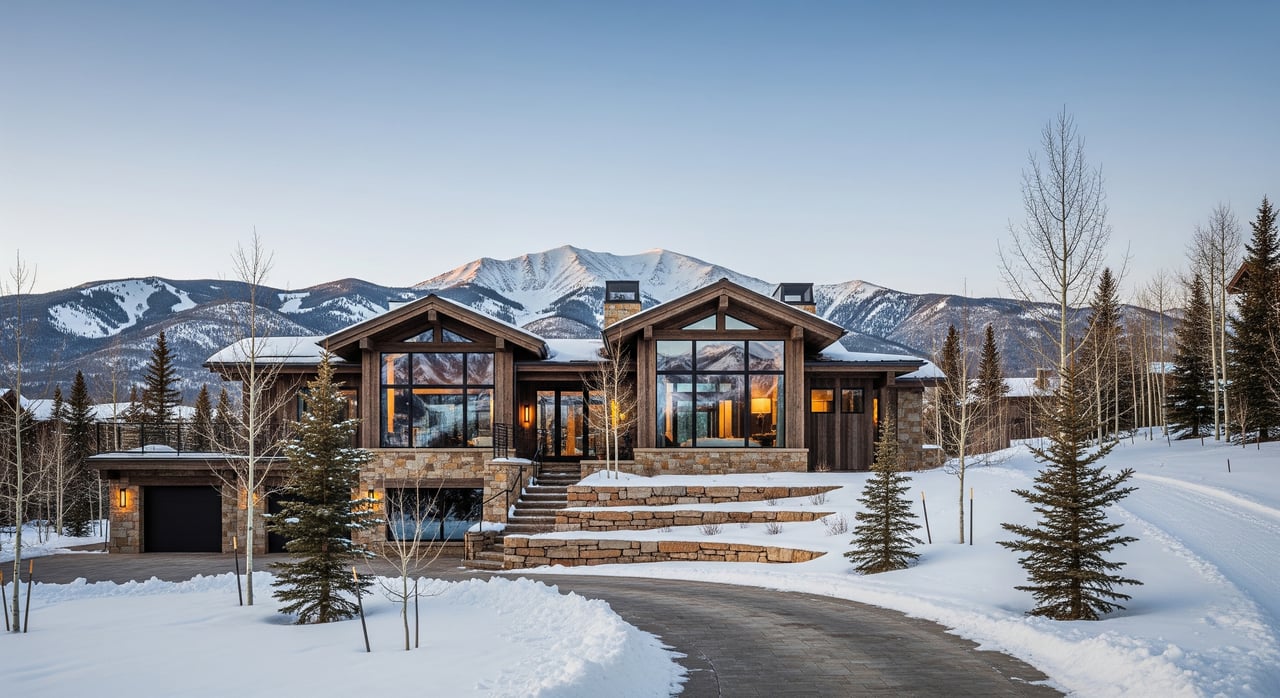
Shopping for a Park City second home can feel like standing at a trail map with too many great runs to choose from. You want the right mix of ski access, privacy, and income potential without sacrificing ease of ownership. In this guide, you will learn how to match your second‑home goals to the neighborhoods that fit, what costs and rules matter most, and a simple framework to decide with confidence. Let’s dive in.
Choose your second‑home strategy
Before you compare listings, set your strategy. Park City neighborhoods tend to align with a few clear priorities:
- Ski‑first access: Maximize ski‑in/ski‑out convenience and resort services.
- Club and golf lifestyle: Enjoy privacy, acreage, and private‑club amenities.
- In‑town walkability: Stay close to Main Street dining, retail, and nightlife.
- Year‑round family use: Favor easy access, community services, and practical ownership.
- Rental revenue: Target areas with strong short‑term rental demand and flexible rules.
With your priorities defined, you can match them to the Park City submarkets below.
Top Park City neighborhoods
Deer Valley: slopeside luxury
Deer Valley delivers some of the best ski‑in/ski‑out living in the area, especially in Empire Pass and Silver Lake. You get immediate ski run views, higher elevation snow quality, and resort services like ski valets and concierge. Prices often sit at the top of the market, driven by trophy estates and branded residences. Rental demand is strong with high nightly rates, though many buildings and HOAs have specific rental rules to review.
Empire Pass and The Colony: ultra‑exclusive
Empire Pass and The Colony at White Pine Canyon offer some of the most exclusive ski‑in/ski‑out estates in the United States. Expect gated privacy, private lifts in select properties, and limited supply. Transactions are few and can swing averages, so rely on specific comps, not broad medians. These are legacy holdings for buyers who value privacy and best‑in‑class access.
Park City Mountain and Canyons Village: varied and vibrant
Around Park City Mountain and Canyons Village, you will find a wide range of slopeside condos and townhomes. Terrain is extensive, base areas are active, and summer events add to year‑round utility. Pricing spans from entry luxury condos to multi‑million townhomes, with more inventory than Deer Valley. Rental demand is strong in winter and summer, especially around holidays and festivals.
Old Town and Main Street: walkable energy
Old Town puts you close to Park City Mountain’s base access and historic Main Street. You can walk to dining, galleries, and nightlife, which pushes per‑square‑foot pricing higher for condos and townhomes. Not every property is ski‑in/ski‑out, but many are a short walk or shuttle to lifts. Short‑term rental demand is very strong here, though individual buildings may restrict nightly rentals.
Promontory: private‑club living
Promontory is a gated, master‑planned community with private clubs, golf, equestrian facilities, and extensive recreation. Lots are larger, views are big, and privacy is a core draw. It is not slopeside, but amenities and club services carry significant value for owners who prioritize a resort lifestyle at home. Short‑term rental demand is lower here and often limited by HOA and club rules.
Glenwild, Park Meadows, and Thaynes Canyon: golf and community
These enclaves offer championship golf, clubhouse amenities, and a quieter community feel. You will drive to ski lifts, usually within 10 to 20 minutes depending on location. Prices are high but typically below top Deer Valley trophy levels. Rental demand is more seasonal and often moderated by HOA rules, so verify policies before modeling revenue.
Jeremy Ranch and Pinebrook: practical year‑round
Jeremy Ranch and Pinebrook sit closer to I‑80 with easier year‑round access. You will find a more conventional mountain neighborhood feel and convenient commutes to Salt Lake City. Amenities include local golf and trails, with fewer resort services. Short‑term rental demand is lower, which suits second‑home owners who prioritize family use and community.
Prospector and Park City Heights: everyday convenience
Prospector benefits from proximity to the Park City Mountain base and the Rail Trail, while Park City Heights offers newer construction and practical layouts. These areas support year‑round living and simpler property management. Pricing is broad, with some more affordable luxury condos and single‑family options. Rental profiles vary by building, so confirm STR rules if income is part of your plan.
Costs, rules, and operations that matter
Pricing, liquidity, and resale
Park City’s luxury market is diverse. Ski‑in/ski‑out and branded residences command premium pricing and tend to be resilient. Trophy estates have fewer buyers and longer marketing times, while base‑area and Old Town condos have higher turnover and broader appeal.
HOA and club dues
Resort communities and private clubs often carry high HOA fees, initiation fees, and annual dues. If you plan to rent, these costs materially affect net income. Branded residences can include additional management fees and revenue‑sharing structures.
Short‑term rental rules and taxes
Park City and Summit County require licensing or registration for short‑term rentals and the collection of transient room and sales taxes. Some buildings and neighborhoods have deed or HOA restrictions that limit or prohibit nightly rentals. Rules evolve over time, so verify current municipal and county requirements before relying on rental income.
Insurance and maintenance
Ski‑in properties and high‑value homes can have higher insurance premiums. Plan for snow removal, heated driveways where applicable, and robust mechanical systems for winter performance. A well‑scoped inspection should include cold‑weather considerations and roof loading.
Transportation and access
Most owners and guests arrive through Salt Lake City International Airport, with typical drive times of about 35 to 45 minutes to central Park City in normal conditions. Weather, elevation, and specific neighborhood locations can extend travel. Consider parking, driveway grades, and shuttle access for guest convenience.
Seasonality and revenue expectations
Peak rental periods include winter holidays, the Sundance Film Festival, and summer months. Slopeside and Old Town properties often achieve the highest average daily rates and occupancy. Private‑club neighborhoods usually lean toward owner enjoyment rather than frequent STR income.
Match your goals to the right area
- Ski‑first and premium rental potential: Deer Valley, Park City Mountain, and Canyons Village align with direct lift access, resort services, and strong seasonal demand.
- Club lifestyle and privacy: Promontory and Glenwild focus on golf, equestrian, and on‑site amenities with lower emphasis on STRs.
- Walkability and Main Street energy: Old Town leads for dining, shopping, festivals, and high short‑stay demand.
- Year‑round family use and practical access: Jeremy Ranch, Pinebrook, Prospector, and Park City Heights offer easier commutes and everyday convenience.
- Branded luxury and services: Select Deer Valley residences provide hotel‑style services with higher operating costs.
A simple decision framework
Key questions to clarify
- When will you use the home, and for how long each season?
- Which experience matters more: true ski‑in or private‑club amenities?
- Is rental income a core goal or a nice‑to‑have offset?
- Do you prefer walkable Main Street energy or gated privacy?
- How much operating complexity do you want to manage?
Buyer checklist
- Confirm current MLS pricing and recent comparables for your target areas.
- Review HOA documents, CC&Rs, and any rental or renovation restrictions.
- Verify city and county STR licensing, registration, and transient tax rules.
- Model total carrying costs, including dues, taxes, insurance, utilities, and maintenance.
- Obtain conservative STR projections for ADR, occupancy, and seasonality.
- Evaluate access logistics, driveway grades, and winter road reliability.
- Confirm availability and fees for property management, housekeeping, and concierge.
- For club communities, get full membership details, initiation terms, and any waitlists.
Why partner with a strategic advisor
Choosing between slopeside, club living, or in‑town walkability is easier when you see the tradeoffs clearly. A strong advisor will translate your lifestyle into a short list of neighborhoods, build conservative income and cost models, and run due diligence on HOA rules, STR licensing, and operating costs. This saves you time and reduces surprises after closing.
You deserve confidential, negotiation‑forward representation and early access to the best opportunities. For a private consultation and curated on‑ and off‑market options across Park City and the Wasatch, connect with Charlotte Kornik.
FAQs
What is the best Park City area for ski‑in/ski‑out second homes?
- Deer Valley, especially Empire Pass and Silver Lake, offers some of the strongest ski‑in/ski‑out access, while Park City Mountain and Canyons Village provide varied slopeside options at a broader price range.
How do Park City short‑term rental rules affect buyers?
- Park City and Summit County require STR licensing and tax collection, and many HOAs impose additional restrictions, so verify current rules before relying on rental income.
Which neighborhoods fit a private‑club lifestyle in Park City?
- Promontory leads for private‑club amenities like golf and equestrian, while Glenwild and Park Meadows provide golf and community offerings with lower density than in‑town areas.
Where is walkability to Main Street strongest in Park City?
- Old Town and the Historic Main Street area deliver the best walkability to dining, galleries, festivals, and nightlife, with strong demand for short stays.
What carrying costs should I expect in resort or club communities?
- Plan for higher HOAs, potential club initiation and annual dues, plus insurance and winter maintenance costs that can materially impact cash flow.
How does seasonality impact rental income for Park City homes?
- Peak demand centers on winter holidays, Sundance, and summer months, with the highest ADRs and occupancy typically in slopeside and Old Town properties.