If you picture waterfront living as just one kind of lifestyle, Long Beach may surprise you. Here, the coastline is not a single stretch of sand but a connected network of beaches, marinas, canals, boardwalks, and harbors that each create a different daily rhythm. If you are considering a move, a second home, or a lifestyle change near the water, this guide will help you understand how Long Beach waterfront living actually feels from one area to the next. Let’s dive in.
What makes Long Beach waterfront living unique
Long Beach offers a broader waterfront experience than many buyers expect. The city reports approximately 7 miles of public beach and bays, while its Marine Bureau manages more than 3,300 slips across three marinas and nearly 11 miles of recreational beach and waterfront, which helps explain why the area feels so connected to the water in everyday life. You can explore more through the city’s recreational water and waterfront information.
This also means “waterfront living” can look very different depending on where you land. You might choose an urban high-rise near the harbor, a canal-side home with a quieter setting, or a beach-adjacent condo close to walking and biking paths. In Long Beach, the waterfront is less about one label and more about finding the rhythm that fits you.
Downtown Shoreline living
If you want a more urban waterfront lifestyle, Downtown Shoreline is often the first place people picture. The city defines this area as south of Ocean Boulevard from Golden Shore Drive to Alamitos Avenue, where residences, offices, hotels, restaurants, harbors, marinas, parks, and beaches all come together in one evolving district. You can see that broader context on the city’s Downtown Shoreline planning page.
This part of Long Beach tends to appeal to buyers who want a walkable, active setting with easy access to dining, events, and harbor views. It feels connected to the city center, but the marina and shoreline keep the water in view. For some, that balance is the draw.
Rainbow Harbor and Shoreline Marina
Shoreline Marina sits between the Queen Mary and the Convention Center, while nearby Rainbow Harbor is next to the Aquarium of the Pacific and includes commercial and recreational slips, harbor excursions, and seasonal water taxis and shuttles. The result is a waterfront that feels active throughout the year, not just on weekends.
Housing in this area can lean vertical and view-driven. A clear example is Shoreline Gateway, a 35-story tower with 315 residential units and direct access to the downtown waterfront corridor. If your ideal lifestyle includes skyline views, marina access, and being close to restaurants and events, this area offers that mix.
Belmont Shore and Naples
For a more classic coastal neighborhood feel, Belmont Shore and Naples often stand out. Visit Long Beach describes these areas as a pairing of sandy beaches, calm lagoons, canals, and boardwalks lined with homes, giving the waterfront a more residential and storybook feel.
This is where Long Beach feels more local, leisurely, and neighborhood-oriented. You are still near activity, but the pace is often more about morning walks, biking to coffee, and enjoying the scenery as part of your normal routine.
Belmont Shore daily life
Second Street is the area’s 15-block shopping, dining, and entertainment spine, so everyday convenience is built into the neighborhood. Belmont Shore’s business district also includes over 250 businesses and more than 50 dining establishments, which gives residents a lot of nearby options without leaving the area.
If you value being able to step out for dinner, browse local shops, or spend time near the beach without driving across town, Belmont Shore offers that kind of convenience. It feels established and lively, but still grounded in residential living.
Naples canal setting
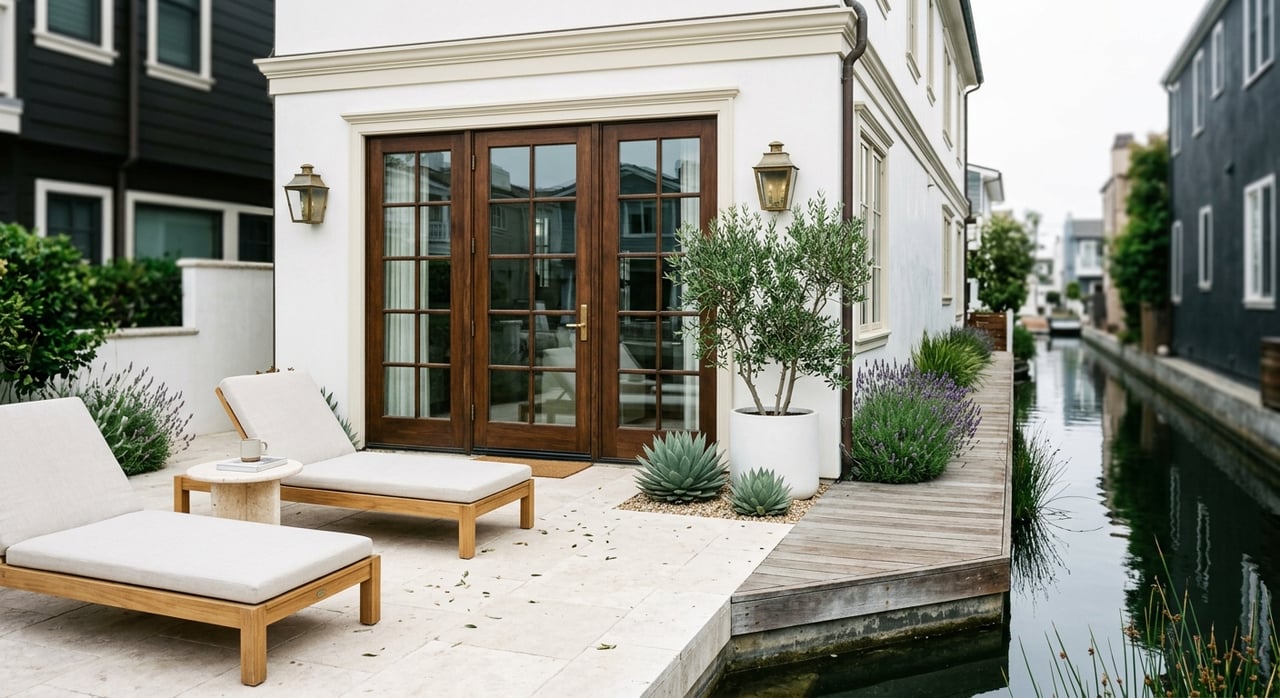
Naples brings a different kind of waterfront experience. Its canal system was modeled on Venice, and gondola rides remain part of the neighborhood identity, which tells you a lot about the atmosphere.
For buyers drawn to a calmer and more picturesque setting, Naples offers a quieter expression of life on the water. The canals, bridges, and walkable edges create a sense of place that feels distinct from both downtown and the open beachfront.
Peninsula, Alamitos Beach, and Bluff Park
If your version of waterfront living centers on movement, views, and easy beach access, these areas are worth a closer look. The city notes that the Peninsula is a long, narrow strip separating Alamitos Bay from the Pacific Ocean, with beaches on both sides and a pedestrian loop shaped by the Bayside Walk and Seaside Walk Boardwalk.
That geography creates a very specific lifestyle. You are surrounded by water-oriented activity, and getting outside often feels like the default plan rather than a special outing.
Peninsula lifestyle
The Peninsula is especially appealing if you like the idea of having both bay and ocean access nearby. The walking paths and boardwalk setting encourage a casual daily pattern of strolling, biking, or spending time near the beach.
It can feel more relaxed and beach-focused than downtown, while still being connected to the broader Long Beach waterfront. For many buyers, that balance is part of the appeal.
Alamitos Beach and Bluff Park
Alamitos Beach is the westernmost section of Long Beach’s beach system and connects downtown to Alamitos Bay through a paved bicycle path and separate pedestrian path. That connection makes it practical for people who want beach access with a direct link to other waterfront districts.
Just above the shoreline, Bluff Park offers ocean-view homes and convenient access down to the waterfront path. Nearby, the Alamitos Beach neighborhood is noted by the city as having more designated historic landmarks than any other residential neighborhood in Long Beach, which adds another layer of character to the area.
Marina Pacifica and Alamitos Bay Landing
Some buyers want waterfront living to feel easy and practical, not just scenic. In that case, Marina Pacifica and Alamitos Bay Landing offer a more mixed-use experience where dining, errands, recreation, and marine services are all part of the setting.
This is a useful contrast to the more residential canal streets or the high-rise downtown corridor. Here, the lifestyle is often about convenience, access, and having several parts of your day within close reach.
Waterfront convenience
Marina Pacifica is an open-air retail and dining center next to the marina, with boat rentals and a cinema. Alamitos Bay Landing is designed around access by boat, bike, public transit, or rideshare and includes dining, recreation, and marine-related services.
If you want a waterfront address with built-in convenience, this part of Long Beach may feel especially functional. It blends the water, daily errands, and social activity in a way that is easy to picture as part of real life.
What daily life feels like
Long Beach’s waterfront is designed for everyday use. The city’s Shoreline Pedestrian Bikepath is a 3.1-mile concrete trail with separate lanes for bikes and pedestrians, and the broader beachfront pedestrian corridor extends for more than four miles from Shoreline Marina past Belmont Veterans Memorial Pier toward Belmont Shore.
That matters because it shapes how people actually live here. Walking, running, skating, and biking are not occasional activities. They are part of the built environment and often part of the weekly routine.
Boating and water access
Boating is also built into the local lifestyle. Alamitos Bay Marina includes slips, liveaboard mailboxes, pump-out stations, and seasonal water taxi and shuttle access, while Shoreline Marina offers similar connections in a more urban waterfront setting.
Marine Stadium adds another dimension. The city describes it as one of the world’s premier water-skiing facilities and notes its official status as a California State Historic Site. For residents who enjoy active water recreation, that heritage is part of what makes Long Beach different.
Dining, shopping, and arts
Waterfront living in Long Beach is not limited to the water itself. Shoreline Village brings shopping, dining, and entertainment to Rainbow Harbor, while Belmont Shore offers a strong local business district and East Village adds an arts-oriented layer with galleries, shops, restaurants, and restored historic buildings.
The city’s public art presence also shapes the feel of many neighborhoods. Murals, sculpture, and creative spaces are woven into the setting, which gives the waterfront more texture than a purely resort-style environment.
Practical things to know
A good local-style guide should include the practical side, too. Long Beach says it collects ocean and bay water samples three times a week, and it advises avoiding ocean contact for 72 hours after significant rainfall. That is helpful context if you plan to spend a lot of time in or near the water.
The waterfront also has a strong event rhythm that helps it feel lived-in. Annual traditions such as Belmont Shore’s car show and Christmas parade, Naples’ boat parade, and sprint races at Marine Stadium bring recurring local energy to the area.
How to choose your waterfront fit
The best Long Beach waterfront lifestyle for you depends on what you want your normal day to look like. If you prefer an urban setting with harbor views and close access to dining and events, Downtown Shoreline may feel right. If you want a neighborhood atmosphere with walkable shopping streets and beach access, Belmont Shore could be a better match.
If you are drawn to a quieter canal setting, Naples offers a distinct sense of place. If you want beach paths, views, and easy outdoor movement, the Peninsula, Alamitos Beach, or Bluff Park may deserve a closer look. And if convenience matters most, Marina Pacifica and Alamitos Bay Landing offer a practical version of life near the water.
If you are exploring Long Beach waterfront living and want discreet, tailored guidance on the neighborhoods, property types, and off-market opportunities that best fit your goals, connect with Charlotte Kornik. Her approach is personal, strategic, and built around helping you make a confident move.
FAQs
What does waterfront living in Long Beach include?
- Waterfront living in Long Beach can include downtown harbor-view residences, canal-side homes in Naples, beach-adjacent properties near Alamitos Beach and Bluff Park, and marina-oriented homes near Alamitos Bay.
Which Long Beach waterfront area feels most urban?
- Downtown Shoreline, including Rainbow Harbor and Shoreline Marina, offers the most urban waterfront setting with high-rise living, marina access, and close proximity to restaurants, hotels, and attractions.
Which Long Beach waterfront neighborhoods feel more residential?
- Belmont Shore, Naples, Bluff Park, and parts of the Peninsula tend to offer a more neighborhood-oriented waterfront lifestyle with homes, local business districts, and walkable access to the beach or canals.
Is Long Beach waterfront living walkable and bike-friendly?
- Yes. Long Beach has a 3.1-mile Shoreline Pedestrian Bikepath, a broader beachfront walking corridor, and more than 60 miles of major Class I bike paths that support daily walking and biking.
What should you know about water conditions along the Long Beach waterfront?
- The city samples ocean and bay water three times a week and recommends avoiding ocean contact for 72 hours after significant rainfall.