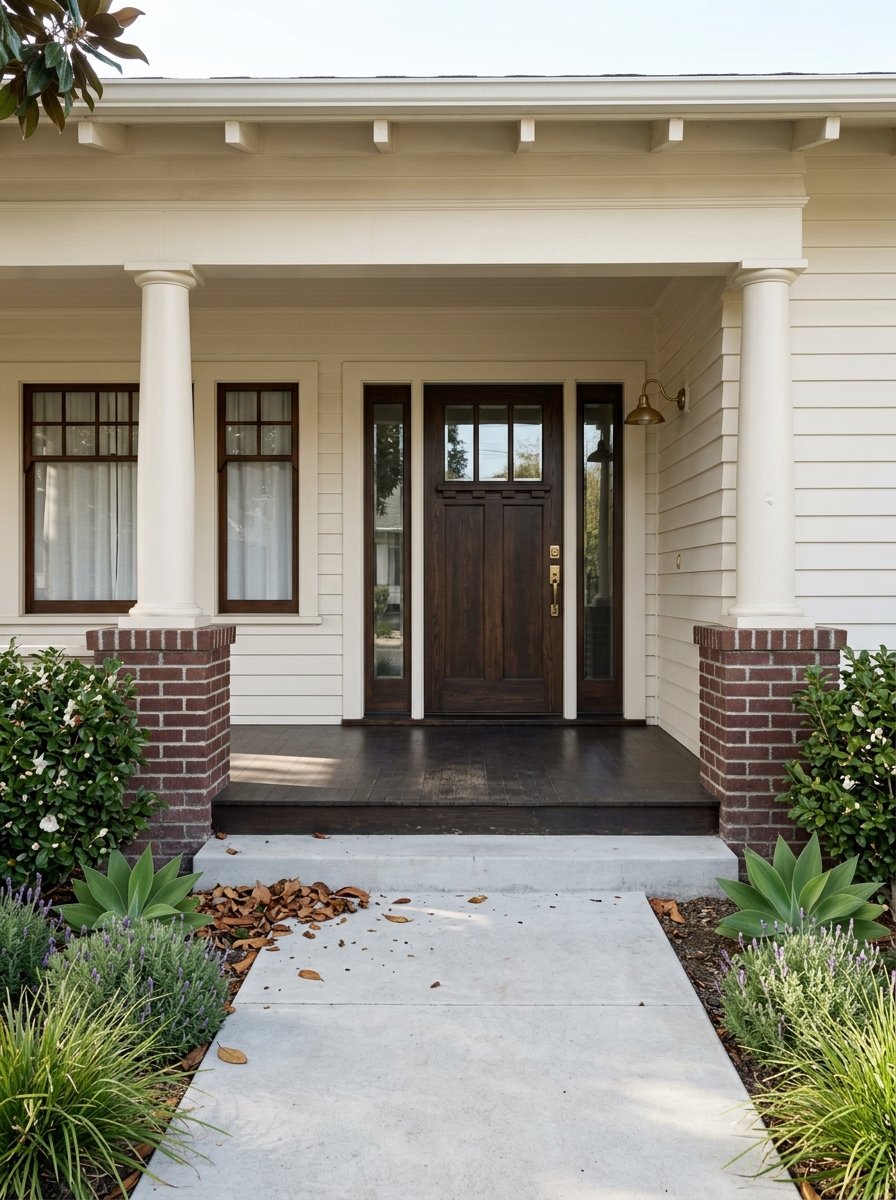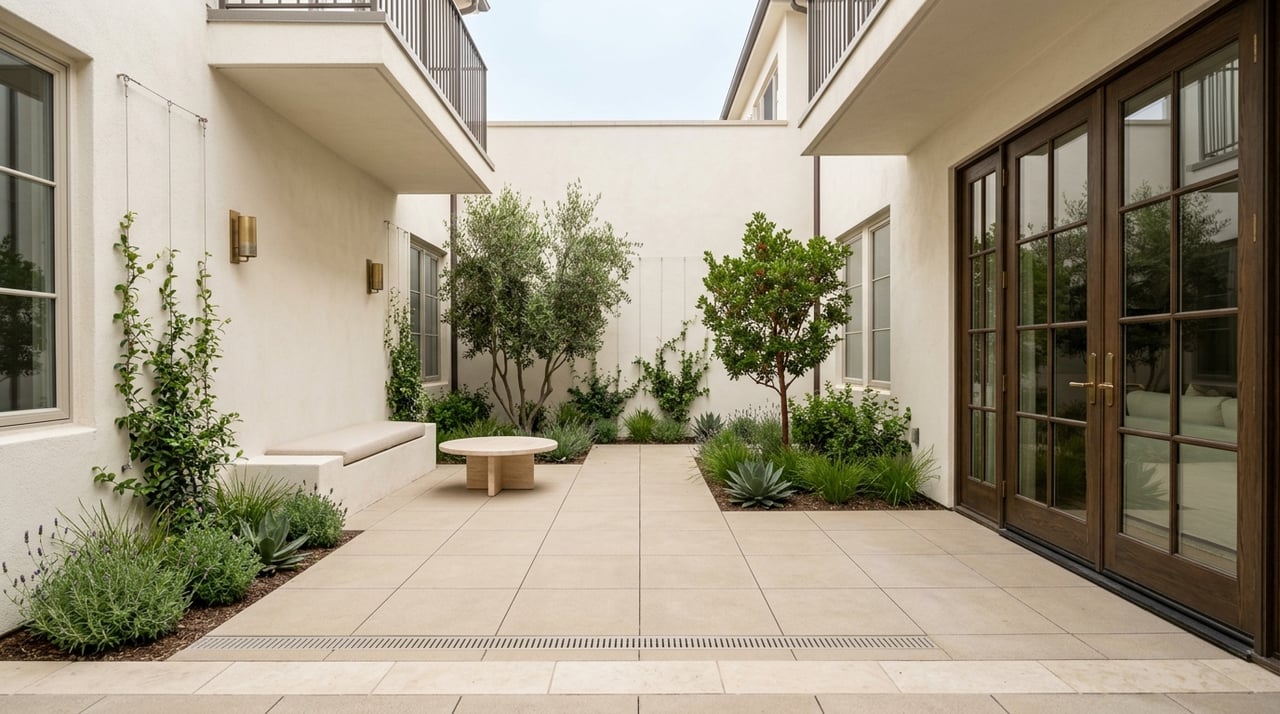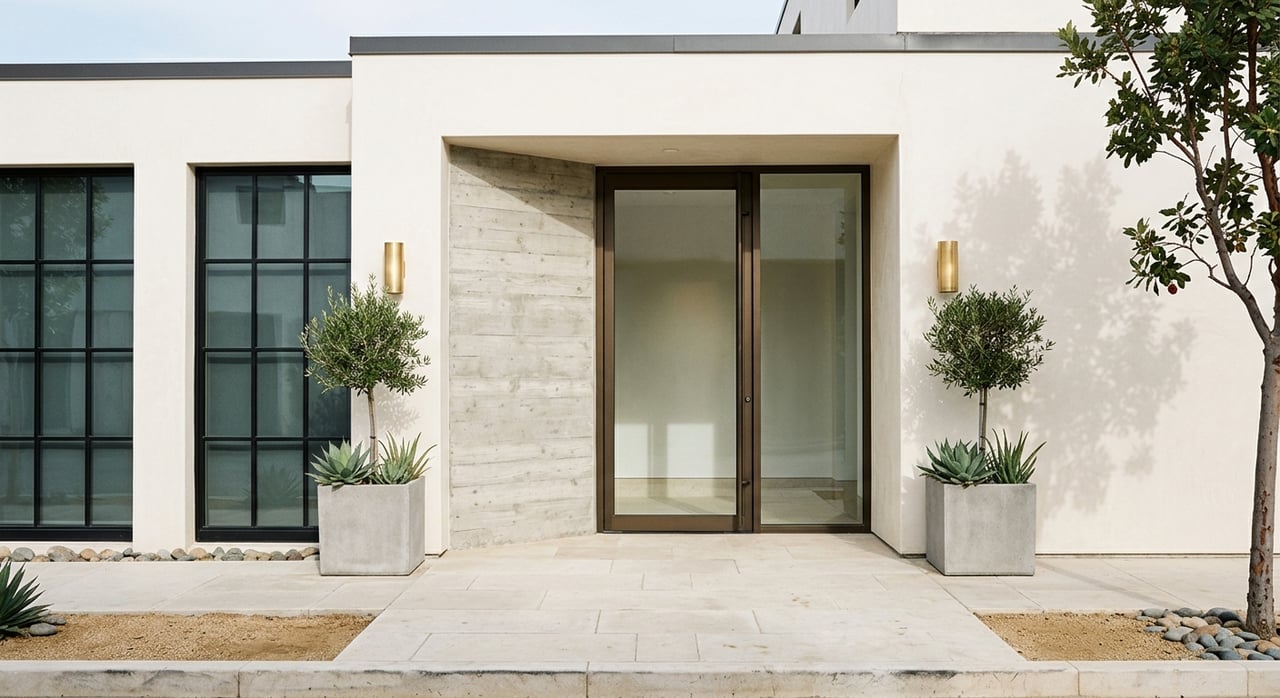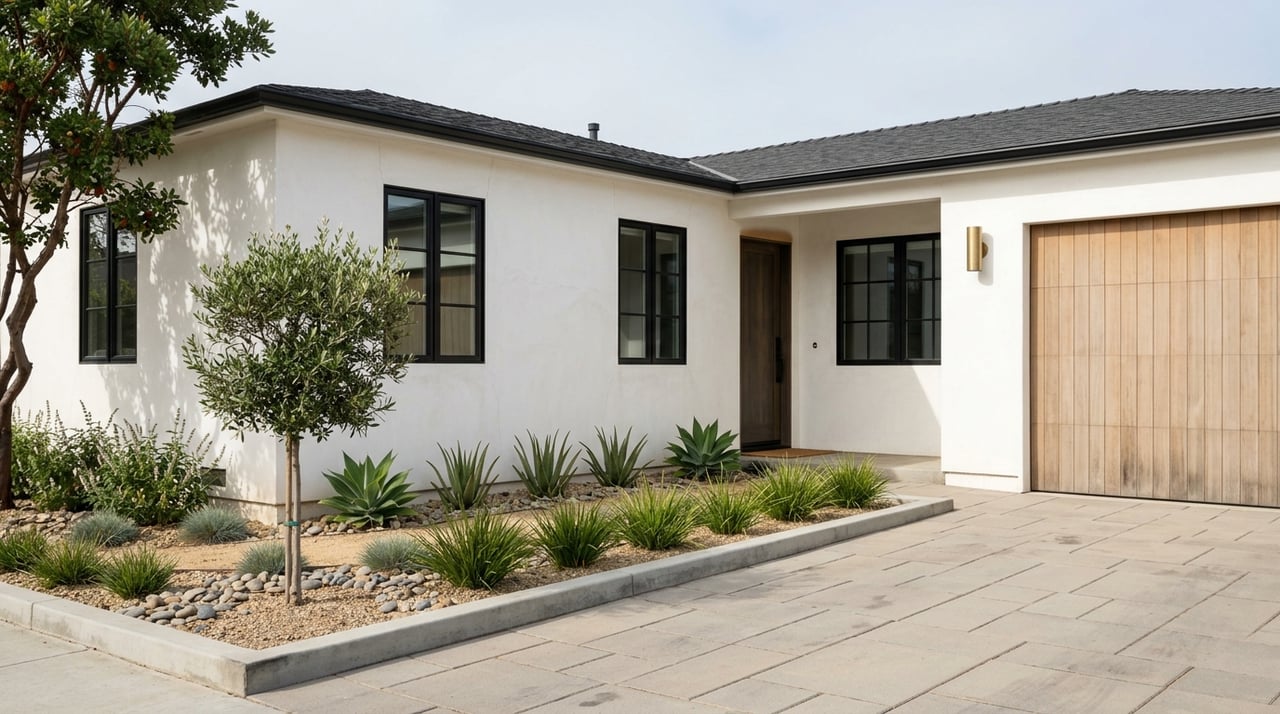
A second home should make your life easier, not more complicated. If you live in Utah and keep coming back to the idea of a place near the coast, Encinitas stands out because it is close enough for regular use and distinct enough to feel like a real getaway. This guide walks you through what to think about before you buy, from travel time and neighborhood fit to taxes, insurance, and rental rules. Let’s dive in.
Why Encinitas works for Utah buyers
Encinitas is a six-mile coastal city in North San Diego County made up of five communities: New Encinitas, Old Encinitas, Cardiff-by-the-Sea, Olivenhain, and Leucadia. That matters because a second home here is not one-size-fits-all. You can choose a more classic coastal setting, a planned residential area, or a more rural property with land and space.
For many Utah buyers, that range is the appeal. You are not just buying proximity to the beach. You are choosing how you want the home to function when you are in town and how easy it will be to manage when you are not.
Encinitas also sits in a premium coastal market. As of May 31, 2026, Zillow reported an average Encinitas home value of $1,934,981, up 2.5% year over year, with homes going pending in about 10 days. Realtor.com reported a median listing price of $2,699,000 and an average sale-to-list ratio of 100% in May 2026, which points to a competitive environment even though those metrics measure different things.
Utah to Encinitas travel is simple
One reason Encinitas fits the second-home lifestyle so well is that the travel pattern is manageable. Southwest lists nonstop service between San Diego and Salt Lake City with 151 weekly flights and an average flight time of 1 hour 58 minutes. In plain terms, you can be in the air for about two hours, then finish the trip with a ground transfer.
For many owners, the easiest routine is a nonstop flight followed by a rideshare or rental car. If you want a lighter setup, San Diego International Airport also connects to public transit. The airport offers the free San Diego Flyer shuttle to Old Town Transit Center, and from there you can connect to rail service that includes Encinitas among its North County stops.
That flexibility matters if you want a true lock-and-leave second home. You can keep the trip simple whether you plan to visit for long weekends, school breaks, or extended stretches during warmer months.
Choosing the right Encinitas area
Coastal communities for ease
Cardiff-by-the-Sea, Old Encinitas, and Leucadia are described by the city as older established beach communities. Their primary land use is single-family residential, with some multifamily properties closer to the beach and commercial or office uses along Highway 101. The result is an informal, eclectic, small-town coastal feel.
For many second-home buyers, these areas are the most natural place to start. Based on the city’s land-use descriptions, the mix of coastal location and some multifamily housing near the beach can make these communities strong candidates for lower-maintenance ownership.
New Encinitas for planned living
New Encinitas is described as a centrally located planned community with single-family homes as the primary land use. If your goal is a home base that feels organized and easier to manage, this part of the city may deserve a closer look.
This can be especially appealing if you want a polished second-home routine rather than a more land-intensive property. Buyers who value convenience often like the predictability of a planned setting.
Olivenhain for land and privacy
Olivenhain is the rural side of Encinitas. The city describes it as a community with large lots, equestrian facilities, open space, trails, and rolling hills and canyons.
If you want privacy, acreage, or room to spread out, Olivenhain may be compelling. But for a pure lock-and-leave use case, it is generally less obvious as a low-maintenance option than the coastal communities or planned parts of New Encinitas.
Think about daily use, not just purchase price
A good second home should be easy to enjoy on short notice. Encinitas supports that kind of ownership with everyday amenities that make a weekend or weeklong stay feel worthwhile without much planning.
The city maintains about 45 acres of beaches. Moonlight Beach offers ADA access, year-round lifeguard service, restrooms, showers, concessions, and recreation amenities, while Swami’s is known for its views and surf culture. Encinitas also has a broader parks system with 40 miles of trails.
Those details matter because they shape how often you will actually use the home. A second property tends to perform best emotionally when it becomes part of your routine, not just part of your portfolio.
Costs Utah buyers should plan for
Property tax timing and reassessment
San Diego County says secured property taxes are due November 1 and February 1. They become delinquent December 10 and April 10, and a late second-installment payment carries a 10% penalty plus a $10 cost.
Just as important, the county explains that property is reassessed when ownership changes. That means your tax basis may adjust after closing, and supplemental tax bills can follow a purchase. Before you close, ask how prorations will be handled in escrow and how any future supplemental bill should be expected and budgeted.
Utility service varies by address
Do not assume utility service is the same across all of Encinitas. The city says the San Dieguito Water District serves Cardiff, Old Encinitas, Leucadia, and part of New Encinitas, while other parts of the city are served by Olivenhain Municipal Water District.
Wastewater service also varies. Leucadia Wastewater District handles most of New Encinitas and Leucadia. For a second-home buyer, this is a small but important due-diligence step because service providers, billing systems, and local contacts may differ by property.
Insurance and coastal risk checks
Coastal ownership comes with extra questions, and Encinitas is no exception. The city identifies sea-level rise, stronger storms, erosion, and potential impacts to beaches, bluffs, and coastal infrastructure as active planning issues.
Insurance also needs a closer look than many out-of-state buyers expect. According to the California Department of Insurance, standard homeowners policies typically exclude flood, mudslide or debris flow, and earth movement, while earthquake coverage is handled separately. Before you commit to a property, verify hazard exposure and insurance options early in your process.
Should you plan on rental income?
Maybe, but only after you confirm the rules. Encinitas uses a permit-based short-term rental framework, and the city says all short-term rental operators must obtain a permit and collect a 10% transient occupancy tax.
The city’s 2026 short-term rental information also says the California Coastal Commission approved a modification adding a two-night minimum stay for non-hosted rentals, with city implementation still pending through ordinance. That means you should be careful about making rental-income assumptions too early.
If occasional rental use is part of your second-home strategy, treat it as a compliance question first and a revenue question second. The right property for personal use is not always the right property for part-time rental use, and vice versa.
A practical buying checklist
Before you move from browsing to writing offers, keep your planning centered on how you will actually use the home.
- Decide whether you want a true lock-and-leave setup or a property with more land and upkeep
- Narrow your search between coastal Encinitas, New Encinitas, and Olivenhain based on that goal
- Map your travel routine from Utah, including airport transfer preferences
- Review likely property tax reassessment and possible supplemental tax billing
- Verify water and wastewater providers by address
- Ask early questions about insurance, flood exposure, and earthquake coverage options
- Confirm short-term rental permit rules before underwriting any rental income
Why strategy matters in a competitive market
Encinitas is not a market where casual planning tends to win. With homes going pending quickly and pricing in the luxury range, buyers benefit from a clear brief, strong preparation, and local guidance that understands both Utah and Southern California decision-making.
That is especially true if you want discretion, curated opportunities, or a smoother cross-state process. When your second home is meant to support your lifestyle for years to come, the details around location, terms, carrying costs, and long-term fit matter as much as the view.
If you are weighing a coastal second home in Encinitas and want a more tailored plan for your budget, travel pattern, and ownership goals, Charlotte Kornik can help you approach the search with clarity, discretion, and cross-state insight.
FAQs
How long is the trip from Utah to Encinitas for a second-home owner?
- From San Diego to Salt Lake City, Southwest lists an average flight time of 1 hour 58 minutes, plus ground travel on each end.
Which Encinitas areas are easiest for a lock-and-leave second home?
- Based on the city’s land-use descriptions, the coastal communities and planned parts of New Encinitas are typically the clearest low-maintenance options, while Olivenhain is more space-oriented.
What property tax issues matter when buying a second home in Encinitas?
- San Diego County says ownership changes can trigger reassessment and supplemental tax bills, so you should ask escrow how prorations and any future bill will be handled.
What insurance questions should Utah buyers ask before buying in Encinitas?
- You should verify coastal risk, flood-hazard mapping, and whether separate coverage may be needed, since standard homeowners policies typically exclude flood, mudslide or debris flow, and earth movement.
Can you short-term rent out an Encinitas second home?
- Possibly, but Encinitas requires a short-term rental permit and collection of 10% transient occupancy tax, and non-hosted minimum-stay rules should be checked before you make income assumptions.